Stretching across the U.S.-Canada border, Lake Superior should be on every fisherman’s bucket list. With crystal-clear, cold waters and an immense depth that hides a diverse array of species, Lake Superior offers some of the most exciting and rewarding fishing experiences in North America. (And no, I’m not just saying that because I live 10 miles away from the shore).
Whether you’re trolling the open waters for monster lake trout, casting for salmon near rocky shorelines, or ice fishing in the heart of winter, the opportunities are truly endless. From the rugged beauty of Michigan’s Upper Peninsula to the scenic Apostle Islands of Wisconsin, every stretch of shoreline holds something unique for anglers.

In this MASSIVE guide, I will cover:
- The top fish species to target in Lake Superior
- The best seasons and techniques for each species
- Must-visit fishing locations across the U.S. and Canadian shorelines
- Licensing requirements, local charters, gear tips, and safety advice
Whether you’re a first-time visitor or a seasoned angler returning for another adventure, this Lake Superior Fishing Guide will help you make the most of your time on the water (from someone who has spent his entire life fishing on this Great Lake).
This post contains affiliate links to products. I may receive a commission for purchases made through these links at no extra cost to you.
Why Fish Lake Superior?
I know I know…you probably already know the answer to this question, BUT I’ll take any excuse to gloat about my favorite lake.
Here’s what makes Lake Superior a bucket-list destination for anglers:
1. Incredible Species Diversity
With over 31,000 square miles of surface area, its sheer size and depth (reaching over 1,300 feet) create an ideal environment for SO MANY FISH.
From trophy lake trout and salmon to steelhead, whitefish, and even walleye in the bays, the lake offers a surprising variety of game fish. Anglers can fish both inland and coastal areas and the deep, offshore waters, all without leaving the same body of water. We will talk about this in much more detail below!

2. Fishing for All Seasons
Whether you’re trolling in summer, casting into river mouths during the fall salmon run, or drilling a hole in the ice in winter, Lake Superior offers something year-round. Steelhead runs in the spring and salmon spawns in the fall add seasonal excitement to your options.
3. Accessible Yet Untouched
Despite its wild nature, Lake Superior is surrounded by small towns and public access points, making it easy to plan a trip. With state parks, harbors, and boat launches scattered along the shoreline, both DIY anglers and charter clients can find great spots to fish without hassle.
Top Fish Species in Lake Superior
Lake Superior’s cold, deep waters are home to a unique variety of freshwater species that attract anglers from all over the world. Here are the top fish to target + where, when, and how to find them!
| Species | Best Season | Where to Find | Top Techniques |
|---|---|---|---|
| Lake Trout | Spring–Fall (Summer Peak) | Offshore reefs, drop-offs, Apostle Islands, Keweenaw Peninsula | Trolling with spoons/downriggers, deep jigging |
| Chinook & Coho Salmon | Late Summer–Fall | River mouths, bays | Trolling with flashers/plugs, casting during runs |
| Steelhead (Rainbow Trout) | Spring & Fall | Tributary rivers (e.g., Baptism, Lester), nearshore | Fly fishing, float fishing, trolling nearshore |
| Brown Trout | Early Spring & Fall | Nearshore areas, river mouths | Casting spinners, trolling crankbaits |
| Walleye | Late Spring–Fall | Chequamegon Bay, St. Louis River estuary | Jigging, trolling crankbaits or worm harnesses |
| Northern Pike & Smallmouth Bass | Late Spring–Summer | Shallow bays, weed beds, rocky shorelines | Casting with jerkbaits, spinnerbaits, live bait |
| Whitefish | Late Fall–Winter | Deep, sandy flats | Ice fishing, jigging with waxworms or small spoons |
Top Fishing Locations on Lake Superior (U.S. Side)
Apostle Islands (Wisconsin)
The Apostle Islands are a prime destination for Lake Superior anglers, offering a mix of sheltered bays, underwater reefs, and rich structure that attract lake trout, salmon, and whitefish. This area is especially popular for trolling during the open water season and ice fishing in winter when conditions allow. Access is easy from towns like Bayfield, Red Cliff, and Little Sand Bay, all of which offer boat launches and outfitters.

Chequamegon Bay (Ashland, WI)
Chequamegon Bay is known for its warmer, shallower waters compared to the rest of Lake Superior, which creates ideal conditions for species like smallmouth bass, walleye, northern pike, and perch. It’s a favorite spot for casting, jigging, and ice fishing, with several public access points including boat landings, piers, and the popular Second Landing area near Ashland.
St. Louis River Estuary (Duluth, MN / Superior, WI)
This expansive river-lake system blends fresh and brackish water, supporting a wide range of species from walleye and northern pike to smallmouth bass and even musky. The estuary offers a productive environment for both shore and boat anglers. Top access points include Duluth and Superior boat launches, Rice’s Point, and Boy Scout Landing.
Two Harbors (Minnesota)
Two Harbors is a great choice for anglers looking to troll or cast nearshore waters for lake trout and salmon. During spring and fall, shore anglers have good success casting from the breakwalls, while boaters can access deeper waters just offshore. Agate Bay and Burlington Bay both offer convenient public launch areas and easy access to productive fishing zones.

Keweenaw Peninsula (Michigan)
The Keweenaw Peninsula juts out into Lake Superior and offers some of the lake’s deepest waters just offshore, making it an excellent location for trolling and jigging for lake trout and salmon. Anglers can launch from towns like Copper Harbor, Eagle Harbor, and the Houghton/Hancock area. The remote and scenic nature of this region adds to the adventure of fishing here.
Marquette Area (Michigan)
Marquette is one of the most accessible and productive fishing areas on the Michigan side of Lake Superior. The combination of deep offshore water, rocky shoreline, and nearby river mouths creates excellent opportunities to catch lake trout, salmon, and steelhead. Anglers can launch from the Marquette Harbor, fish from shore at Presque Isle Park, or try their luck near the Dead River mouth.
Lake Superior Fishing Regulations
Because Lake Superior spans three U.S. states and several tribal jurisdictions, fishing regulations vary depending on where you’re casting your line. Following the correct rules helps protect the lake’s diverse fish populations and ensures a smooth trip.
Below is a breakdown by state, along with a chart comparing key regulations.
Licensing Requirements
- Wisconsin: Anglers need a Wisconsin fishing license and a Great Lakes Trout and Salmon stamp to fish Lake Superior.
- Minnesota: A Minnesota fishing license is required; no trout stamp is needed when fishing Lake Superior proper (but is required for tributaries).
- Michigan: Requires a Michigan fishing license and an All-Species license for Lake Superior. A trout/salmon stamp is included.
Note: Tribal lands and ceded territory waters may have co-managed or separate regulations. Always respect tribal sovereignty and check posted notices.
Here’s a chart that gives you a brief overview of the limits in each state, but always double-check the state’s DNR website before planning a fishing trip, as information occasionally changes.
| Species | Wisconsin (WI) | Minnesota (MN) | Michigan (MI) |
|---|---|---|---|
| Lake Trout | Bag Limit: 3 Min Size: 15″ Season: March–Oct (varies) | Bag Limit: 2 Min Size: 20″ Season: May–Sept | Bag Limit: 2 Min Size: 15″ Season: May–Sept |
| Chinook/Coho Salmon | Bag Limit: 5 total trout/salmon No size limit | Included in 5-fish trout/salmon limit Min Size: 10″ | Included in 5-fish trout/salmon limit Min Size: 10″ |
| Steelhead | Included in 5-fish trout/salmon limit Min Size: 26″ | Bag Limit: 1 Min Size: 16″ | Bag Limit: 1 Min Size: 21″ |
| Brown Trout | Bag Limit: 5 total with other trout Min Size: 10″ | Included in 5-fish trout/salmon limit Min Size: 10″ | Included in 5-fish trout/salmon limit Min Size: 10″ |
| Walleye | Bag Limit: 5 Min Size: 15″ | Bag Limit: 6 Min Size: 15″ | Bag Limit: 5 Min Size: 15″ |
| Northern Pike | Bag Limit: 5 Min Size: 26″ | Bag Limit: 3 Min Size: 24″ | Bag Limit: 2 Min Size: 24″ |
| Whitefish | Bag Limit: 10 No size limit | Bag Limit: 10 No size limit | Bag Limit: 10 No size limit |
Where to Find Up-to-Date Regulations
Here are links to the most current Lake Superior fishing rules by state:
Tips for Staying Legal
- Always carry your license while fishing.
- Be aware of seasonal closures and gear restrictions (especially in tributary streams).
- If ice fishing, clearly label tip-ups and stay within limit rules for number of lines.
- When in doubt, contact the local DNR or conservation officer.
Hiring a Guide or Charter on Lake Superior

If you’re new to Lake Superior or want to increase your chances of success, hiring a local fishing guide or charter service can be a great way to experience the lake. With extensive knowledge of local hotspots, weather conditions, and fishing techniques, these professionals will ensure you have a productive and safe trip. Below, we’ve broken down some of the best fishing guides and charters by region.
1. Western Lake Superior (Wisconsin)
Superior Sport Charters (Bayfield, WI)
- Specialties: Coho salmon, king salmon, lake trout, brown trout
- Description: Based in Bayfield, Superior Sport Fishing offers guided Lake Superior fishing charters on Chequamegon Bay and around the Apostle Islands. They specialize in trolling for salmon and trout, providing all rods, reels, bait, and tackle. Trips are designed for anglers of all experience levels, with a focus on creating a fun, hands-on fishing experience while targeting some of Lake Superior’s most sought-after species.
- Website: Superior Sport Fishing
Beyond the Catch (Bayfield, WI)
- Specialties: Smallmouth bass, northern pike, musky, multi-species
- Description: Also based in Bayfield, Beyond The Catch has half and full-day charters available for parties up to 6. You meet at Port Superior Marina and will be greeted with the best views of the Apostle Islands while testing your fishing luck. If you find yourself visiting in the winter, they also offer ice fishing in SHERPS (only one in the area!)
- Website: Beyond the Catch
2. Central Lake Superior (Minnesota)
Happy Hookers (Duluth, MN)
- Specialties: Lake Trout, Salmon, and Walleye
- Description: Happy Hookers charters offer half-day and full-day charters departing from Duluth, MN! They currently have 6 boats that run 7 days a week!
- Website: Happy Hookers
Tofte Charters (Tofte, MN)
- Specialties: lake trout, king (chinook) salmon, coho (silver) salmon, pink salmon & steelhead (rainbow trout)
- Description: Located just South of Tofte, this fishing adventure service offers personalized charter trips along the Minnesota North Shore. Whether you’re trolling for lake trout or casting for smallmouth bass, the guides at Tofte Charters will ensure an unforgettable experience!
- Website: Tofte Charters
3. Eastern Lake Superior (Michigan)
Keweenaw Charters (Hougton, MI)
- Specialties: Lake trout, salmon
- Description: Situated in the picturesque Keweenaw Peninsula, Keweenaw Charters offers fishing trips for lake trout, salmon, and other local species. The guides are passionate about sharing their knowledge of the waters, and their boats are smaller and more agile than most with the latest fishing gear.
- Website: Keweenaw Charters
Hooked Up Charters (Marquette, MI)
- Specialties: Lake trout & salmon
- Description: Based in Marquette, Hooked Up Charters prides itself on being the UP’s #1 fishing charter. They offer full-day and half-day trips for both seasoned and novice anglers, AND they even have a “no fish, no pay” guarantee! Their guides are experts in trolling and casting techniques for lake trout, salmon, and steelhead, providing a great way to explore Michigan’s Upper Peninsula.
- Website: Hooked Up
Booking Tips for Lake Superior Charters
- Book Early: Lake Superior charters are highly sought after, especially during peak fishing seasons in summer and fall. Make sure to book your trip in advance, especially if you are visiting during these times.
- Know What You’re After: Different guides specialize in various fish species. For example, some charters may focus on lake trout and salmon, while others may offer more diverse options such as smallmouth bass, steelhead, or walleye.
- Group Size: Charters often accommodate groups of 4–6 anglers, but if you’re planning a larger group, you may need to book additional boats or private charters.
Fishing Gear for Lake Superior
Fishing on Lake Superior requires specific gear tailored to the conditions of the lake, its depth, and the species you’re targeting. Whether you’re trolling in deep waters for lake trout or casting from shore for smallmouth bass, having the right equipment ensures you have a successful fishing trip.

Essential Fishing Gear for Lake Superior
1. Rods and Reels
- Trolling Rods and Reels: When fishing for lake trout, salmon, and other deep-water species, trolling rods are crucial. These rods are typically 7–10 feet long and designed to handle the weight of heavy lures and the powerful fish of Lake Superior.
- Best Options: Shimano Talora, Okuma Classic Pro GLT
- Reels: Line-counter reels are important for trolling to track the depth of your lures.
- Casting Rods and Reels: For shore fishing or casting for smaller species like smallmouth bass, a medium-power rod around 6-7 feet in length will do the job.
- Best Options: St. Croix Triumph, Fenwick HMX
- Reels: Spinning reels are ideal for casting, providing smooth retrieval of light lures or jigs.
2. Lines and Leaders
- Fishing Line:
- For trolling, use braid or monofilament lines in the 10–20 lb range for salmon and lake trout.
- For casting or jigging, lighter fluorocarbon or monofilament lines in the 6–10 lb range work well for species like smallmouth bass and walleye.
- Leader Lines: Lake Superior’s clear waters often call for fluorocarbon leaders because of their invisibility underwater. For trout and salmon, a leader around 18–24 inches long and 10–12 lb test is ideal.
3. Lures and Baits
- For Lake Trout:
- Deep-Diving Crankbaits like Rapala Deep Tail Dancer or Yo-Zuri Crystal Minnow work well at depth.
- Spoons such as Silver Streak or Stinger Spoons are also great for trolling.
- Live Bait: Minnows and suckers on a weighted rig or downrigger are highly effective.
- For Salmon:
- Flasher Fly Combos or Spin-N-Glo are perfect for attracting salmon. Use them with a downrigger or planing board.
- Jigging: Try jigs in the 1/2 to 1-ounce range, especially in colder months or deeper waters.
- For Smallmouth Bass:
- Jigs with soft plastic trailers in natural colors work well when casting near rock piles or structures.
- Crankbaits and spinnerbaits are also popular choices for targeting smallmouth bass near shorelines.
4. Tackle and Accessories
- Downriggers: If you’re trolling for lake trout or salmon, a downrigger is essential. It allows you to fish at specific depths and avoid the surface waters where smaller fish may be less abundant.
- Popular brands: Cannon, Scotty, and Big Jon.
- Planer Boards: These are often used in combination with downriggers to spread the lines further apart while trolling.
- Live Bait Containers: If you’re using live bait, having a quality aerated bait bucket or livewell is crucial for keeping baitfish alive throughout the day.
5. Ice Fishing Gear (Winter Months)
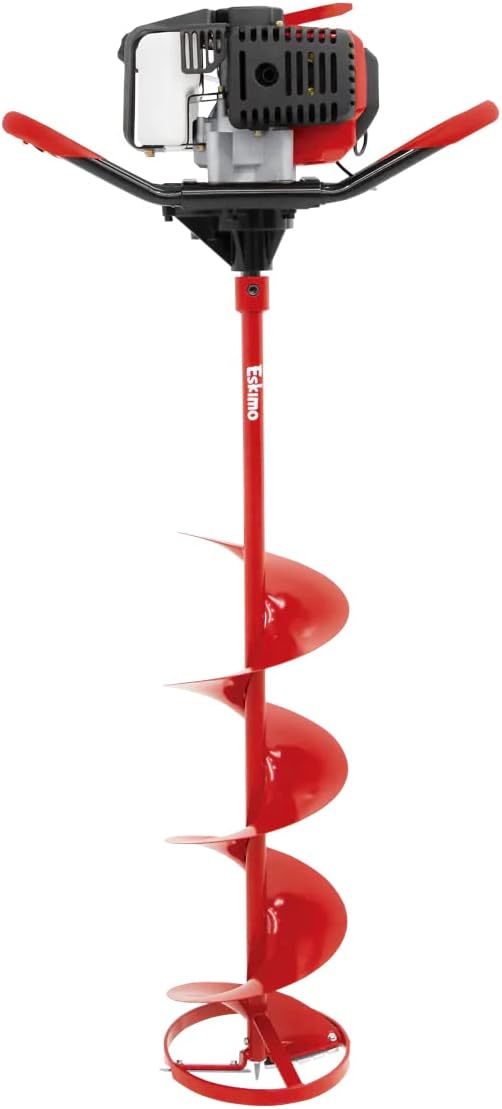
- Ice Auger: If you’re ice fishing, a quality auger (gas-powered or manual) will make drilling holes in thick ice easier. Look for augers with a sharp blade and sufficient power for the thick ice that can form on Lake Superior.
- Brands to consider: Eskimo, StrikeMaster.
- Ice Fishing Rods: These are shorter, typically 24–36 inches, and sensitive to detect the slightest bite.
- Brands: Fenwick, Ugly Stik.
- Ice Fishing Electronics: A fish finder or sonar unit can help you locate fish under the ice, especially during deeper winter fishing.



Best Times to Fish Lake Superior
Fishing on Lake Superior is a year-round activity, but the best times to fish depend on the species you’re targeting, the weather, and whether you’re fishing in open water or through the ice.
Below, we’ll break down the best seasons for fishing, so you can plan your trip accordingly.
Spring (April – June)
Spring is an excellent time for fishing on Lake Superior as many species are active after the winter months. The water is still cold, making it an ideal time for species like lake trout and salmon, which prefer colder temperatures.
What to Expect:
- Lake Trout: Spring is prime time for lake trout as they move closer to the shore to spawn, and you’ll find them in shallower waters.
- Coho and Chinook Salmon: Early spring (April to May) is a great time for trolling for salmon, as they are moving into the feeding grounds in preparation for spawning.
- Walleye and Smallmouth Bass: While their peak season is later in the year, you can find these species starting to bite as the water warms.
Tips for Spring Fishing:
- Fish early in the morning or late in the evening when the fish are most active.
- Use deeper-diving lures or spoons to target lake trout at various depths.

Summer (July – August)
Summer is the most popular time for fishing on Lake Superior, especially for anglers hoping to catch a variety of species. The warm weather brings great fishing conditions, but keep in mind that the lake can be rough, and the weather can change quickly.
What to Expect:
- Lake Trout and Salmon: Summer is the peak season for targeting lake trout and salmon, as these fish are in their feeding zones.
- Smallmouth Bass: The warmer water temperatures of summer bring smallmouth bass closer to shore. This is also a great time to fish for them near rock piles or drop-offs.
- Walleye: While the walleye bite can slow down during the summer heat, fishing around dusk or dawn can yield good results.
Tips for Summer Fishing:
- Trolling: For lake trout and salmon, use downriggers and planer boards to fish at deeper depths.
- Night Fishing: Consider fishing at night or during twilight hours to increase your chances of landing walleye or smallmouth bass.
- Bring Sun Protection: The sun can be strong on the lake, so don’t forget your sunscreen, hat, and polarized sunglasses.
Fall (September – November)
Fall is another fantastic time to fish on Lake Superior, as the waters cool down and fish become more active before winter. Species like lake trout, coho, and chinook salmon are still abundant in the fall, and smallmouth bass can often be found feeding heavily.
What to Expect:
- Lake Trout and Salmon: These fish are feeding in preparation for winter and are often found in deeper waters.
- Coho and Chinook Salmon: Fall is prime time for these salmon species as they prepare for their spawning runs, and you can catch them both in the open water and near river mouths.
- Smallmouth Bass: Fall is a great time for smallmouth bass fishing, as they feed heavily before the water temperature drops.
Tips for Fall Fishing:
- Use heavier tackle and larger lures to target larger fish that are feeding more aggressively before winter.
- Be prepared for cooler temperatures and potential rain, so bring warm clothes and waterproof gear.
Winter (December – March)

Winter fishing on Lake Superior, or ice fishing, is a unique and exciting way to experience the lake’s fishery. Many anglers find the quiet, isolated nature of ice fishing rewarding. The fishing season generally runs from late December through March, depending on the ice thickness.
What to Expect:
- Lake Trout and Whitefish: Lake trout are active beneath the ice and can be found at various depths depending on the time of day. Whitefish are another species you can target in the winter.
- Pike and Walleye: These species can be caught in shallow areas with the right bait and tackle.
Tips for Winter Fishing:
- Always check ice conditions before heading out. The ice should be at least 4–6 inches thick for safe travel.
- Use a fish finder to locate fish beneath the ice and increase your chances of a successful catch.
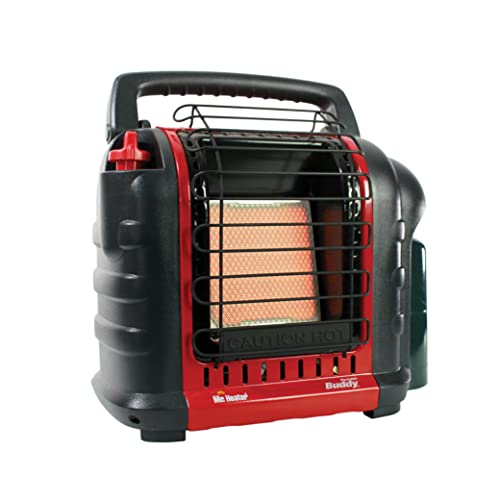
- Be prepared for extreme cold, and make sure to have proper layers, a heated shelter, and a reliable auger.
Safety Tips for Fishing on Lake Superior
Fishing on Lake Superior is an amazing experience, but due to its large size, unpredictable weather, and sometimes harsh conditions, it’s crucial to prioritize safety. Whether you’re fishing from a boat, the shore, or through the ice, following these safety tips will help ensure a safe and enjoyable trip.
1. Weather Awareness
Lake Superior’s weather can change rapidly, so always check the forecast before heading out, and stay updated while you’re on the water.
Tips:
- Know the Forecast: Always check the weather forecast before leaving, including wind conditions, temperature, and potential storms. Websites like the National Weather Service and Windy are great resources.
- Be Ready for Sudden Changes: Weather can shift quickly on Lake Superior, especially in the afternoon. Keep an eye on the sky and be prepared to return to shore if storms approach.
- Bring Weather-Appropriate Gear: Wear waterproof clothing and warm layers, and pack extra gear for unexpected weather. A rain jacket, windbreaker, and thermal gloves are essentials.
2. Wear a Life Jacket
Whether you’re fishing from a boat, kayak, or shore, a life jacket is a must. Lake Superior is known for its cold waters and powerful waves, making even a small accident potentially dangerous.
Tips:
- Always Wear a Life Jacket: Even if you’re an experienced swimmer, wear a properly fitted life jacket at all times. For fishing, consider a fishing-specific life jacket that offers freedom of movement and comfort.
- Check Your Gear: Make sure your life jacket is in good condition, with no rips or defects, and that it’s properly inflated (if it’s an inflatable type).
3. Know the Water Conditions
Lake Superior is known for its unpredictable and sometimes dangerous water conditions, especially near shorelines and islands. Make sure you understand the current conditions before launching your boat.
Tips:
- Strong Currents: The lake can have strong currents, especially near river mouths and in areas with shifting winds. Be cautious when approaching these areas.
- Cold Water: Even in the summer months, the water temperature in Lake Superior can be extremely cold. Hypothermia is a serious risk if you fall into the water. Always wear appropriate layers, and if possible, use a wet suit or dry suit if you’re fishing from a kayak or small boat.
4. Boat Safety
If you’re fishing from a boat, safety becomes even more important. You’ll need to be prepared for both routine and emergency situations.
Tips:
- Check the Boat: Before setting out, ensure your boat is in good working order. Check the engine, fuel, battery, and any necessary equipment like the bilge pump or emergency flares.
- Bring Safety Equipment: Always have a first aid kit, flares, a flashlight, and extra food and water. A VHF radio or satellite phone can be a lifesaver in case of emergency, especially in remote areas.
- Boating Rules: Follow all local boating regulations, including speed limits, no-wake zones, and navigation rules. These are designed to keep you and others safe on the water.
5. Ice Fishing Safety
Fishing on the ice is a whole different ballgame, with unique safety concerns. Before venturing onto the ice, it’s essential to check conditions and be prepared for the cold.
Tips:
- Check Ice Thickness: Only fish on ice that is at least 4–6 inches thick for walking and 8–12 inches for snowmobiles and small vehicles. If the ice is thinner than this, don’t risk it.
- Carry Ice Safety Equipment: Bring ice picks, a throw rope, and a whistle in case you fall through the ice. These can help you get out of the water quickly or signal for help.
- Travel in Groups: Never fish alone on the ice. Always have someone with you in case of an emergency.
- Wear Layers: The cold temperatures can be brutal on the ice. Dress in layers and avoid cotton clothing. Wool and synthetic materials are best for staying warm.
6. Stay Hydrated and Nourished
Fishing on Lake Superior can be physically demanding, and it’s easy to forget about staying hydrated and nourished while you’re focused on catching fish. Always have enough supplies with you.
Tips:
- Bring Plenty of Water: The dry, windy conditions can quickly lead to dehydration. Always carry enough fresh water for the day, especially if you’re going out on a boat or on a long trip.
- Pack Snacks: High-protein snacks like jerky, nuts, and granola bars can keep your energy up and help you stay alert during a long day of fishing.
7. Fishing Regulations
In addition to safety, it’s essential to be aware of fishing regulations in Lake Superior, which vary by state and region. Following these rules ensures the health of the fish populations and that you are fishing legally.
Tips:
- Know the Limits: Be sure to check fishing regulations for the species you’re targeting. This includes bag limits, size limits, and season dates.
- Licensing: Ensure that you have the appropriate fishing license for the area where you’re fishing. Different states and regions (Minnesota, Wisconsin, Michigan) have varying licensing rules.
By following these safety tips, you can ensure that your fishing trip on Lake Superior is as enjoyable and risk-free as possible. The lake’s vast size and rugged conditions mean that preparation is key to having a successful and safe adventure.
Lake Superior Fishing Resources

When fishing on Lake Superior, having access to the right resources can make a significant difference in your experience. From local fishing guides to the best fishing apps, these resources will help you plan your trip and increase your chances of a successful catch.
1. Local Fishing Guides
Hiring a local fishing guide is one of the best ways to ensure a productive and safe fishing trip. Guides know the waters, local fishing regulations, and the most effective techniques for each season.
Where to Find Guides:
- Minnesota: The Minnesota DNR website has a list of licensed fishing guides who specialize in Lake Superior. Many guides offer half-day and full-day trips for individuals or groups.
- Wisconsin: In Wisconsin, the Wisconsin DNR provides a directory of fishing guides who are familiar with the local waters, including the Apostle Islands and other regions around Lake Superior.
- Michigan: The Michigan Department of Natural Resources offers a guide directory, with a focus on regions such as the Keweenaw Peninsula and Marquette.
Hiring a local guide not only ensures you’re fishing the best spots, but it also helps you learn more about the local ecosystem and fishing practices.
2. Fishing Apps and Websites
There are several apps and websites that can help you track fish activity, weather conditions, and fishing hotspots on Lake Superior.
Recommended Fishing Apps:
- Fishbrain: This app offers detailed maps, fishing forecasts, and user-generated fishing hotspots. It’s a great way to learn about the best fishing locations and conditions around Lake Superior.
- Navionics: Known for its detailed water maps and charts, Navionics can help you navigate Lake Superior’s vast waters, locate fishing spots, and track water depths.
- The Weather Channel: Accurate weather forecasting is essential when fishing on Lake Superior. The Weather Channel app can give you up-to-date information on wind conditions, temperature, and storms.
Fishing Websites:
- FishingMN: This website covers all of Minnesota’s waters, including Lake Superior. It offers up-to-date fishing reports, event information, and helpful guides for beginners.
- Great Lakes Fisherman: For those who are fishing in the Michigan or Wisconsin areas, Great Lakes Fisherman provides fishing forums, reports, and advice from local anglers.
3. Local Bait and Tackle Shops
Visiting local bait and tackle shops is a great way to get the latest fishing gear and insider tips. Shop owners and employees are often familiar with current fishing conditions and can provide you with invaluable advice on what tackle to use.
4. Fishing Events and Tournaments
Lake Superior is home to a variety of fishing events throughout the year, ranging from casual tournaments to large, competitive fishing derbies. These events can be a fun way to test your skills and meet fellow anglers.
Popular Fishing Events:
- Minnesota 2026 Fishing Tournaments
- Wisconsin 2026 Fishing Tournaments
- Michigan 2026 Fishing Tournaments
Participating in these events provides a chance to experience the thrill of competitive fishing, and they’re a great way to learn from the best in the industry.
5. Fishing Licenses and Regulations
Before you head out on the water, make sure you’re aware of the fishing regulations in your region of Lake Superior. Regulations vary depending on whether you’re fishing in Minnesota, Wisconsin, or Michigan, so it’s important to familiarize yourself with the local rules for the species you’re targeting.
How to Obtain a Fishing License:
- Minnesota: Licenses can be purchased online through the Minnesota DNR website or at local vendors. A fishing license is required for all anglers aged 16 and older.
- Wisconsin: You can purchase a fishing license from the Wisconsin DNR website or through retail outlets like bait shops and sporting goods stores.
- Michigan: Fishing licenses are available through the Michigan DNR website, and there are both annual and short-term options for residents and non-residents.
Be sure to check for specific regulations, such as seasonal limits, size limits, and bag limits, as these can change based on fish species and local conditions.
6. Conservation and Preservation Resources
Lake Superior is home to unique fish species and fragile ecosystems. Participating in conservation efforts helps preserve the lake for future generations of anglers and wildlife.
Helpful Conservation Organizations:
- Lake Superior Fisheries Research Network: This organization focuses on research and conservation of fish species in Lake Superior. They provide resources for anglers looking to practice sustainable fishing methods.
- Great Lakes Fishery Commission: Working to protect the Great Lakes ecosystem, the commission offers information on best practices for sustainable fishing and conservation.
Supporting these organizations helps ensure that Lake Superior remains a vibrant and healthy ecosystem for both fish and people.
Lake Superior Fishing Guide Recap
Fishing on Lake Superior is an adventure like no other, offering anglers the opportunity to experience some of the most beautiful and challenging waters in the world. Whether you’re targeting lake trout, salmon, or smallmouth bass, understanding the seasonal patterns, knowing the local regulations, and being prepared with the right gear and safety measures will ensure you have a successful and enjoyable trip.
With the resources provided in this guide, you’re well-equipped to navigate the lake’s waters, find the best fishing spots, and appreciate the stunning natural beauty of this iconic Great Lake. So pack your tackle box, plan your trip, and get ready to make unforgettable fishing memories on Lake Superior!