It’s no secret that Wisconsin is home to some of the best ice fishing in the United States. In addition to the plethora of freshwater lakes across the state (15,000 to be exact), the below-freezing temps are ideal for ice fishing. Throughout this guide, we will discuss the best time, lakes, tips, and trips for ice fishing in Wisconsin.
So grab your hand warmers, tip-ups, and bibs, and let’s hit the ice!

This post contains affiliate links to products. I may receive a commission for purchases made through these links at no extra cost to you.
Best Time for Ice Fishing in Wisconsin
- Average of Late December-Early March
Every year this is variable but in Northern Wisconsin, I normally can be on the smaller nonflowing (no outflow) lakes around Christmas. At the end of the season, I fish into March, but I’m chomping at the bit to chase those Cohos in Lake Superior.
If you are in the Southern regions of Wisconsin, expect the ice fishing season to be a bit shorter.
It’s important to note that every body or water brings its own safety measures throughout the entire ice fishing season. The DNR recommends at least 4 inches to go out on foot. I typically ice fish on foot until the ice has complete coverage of the lake and I cannot find anywhere that has less than 4 inches.
I always wear my safety gear as well as always bringing a spud bar to check ice thickness as I travel out. Just because you see someone else out on the ice it doesn’t mean it’s safe for you to go out as ice conditions vary within a small area of ice. I have seen ice vary as much as 3 inches in a small distance.
Ice is unpredictable and wind, warm temps, and extreme cold can create breaks in the ice. Several times a year you hear about rescues on the ice and a lot of them come when the ice is thin and the warm temps get people wanting to go sit on the bucket and end up falling in.
Ice Fishing Regulations in Wisconsin
In Wisconsin, if you purchased your license for fishing for the opener (May 2024) your license will be valid until March of 2025. It is important to note that several species of fish and lakes have specific fishing seasons and restrictions.
It is worth checking the WI DNR website before you go out on a new body of water and check the regulations.
Wisconsin Ice Fishing Bag Limits 2025
| Species | Bag Limit | Minimum Size | Season |
|---|---|---|---|
| Walleye | 3-5 (varies by lake) | 15 inches | First Saturday in May to First Sunday in March |
| Northern Pike | 5 (combined daily with other species) | No minimum statewide, varies by lake | Open year-round |
| Muskellunge | 1 | 40-54 inches (varies by lake) | Last Saturday in May to November 30 |
| Yellow Perch | 15 | No minimum statewide | Open year-round |
| Bluegill/Panfish | 25 (total combined with other panfish) | No minimum | Open year-round |
| Crappie | 25 (combined with other panfish) | No minimum | Open year-round |
| Largemouth Bass | 5 (combined with smallmouth) | 14 inches (varies by lake) | First Saturday in May to First Sunday in March |
| Smallmouth Bass | 5 (combined with largemouth) | 14 inches (varies by lake) | First Saturday in May to First Sunday in March |
| Lake Sturgeon | 1 (with sturgeon tag) | 60 inches (varies by lake) | Specific seasons by lake, often fall or winter |
| Trout | 3 (combined with other trout species) | 12 inches (varies by lake) | Open in designated trout waters, varies by lake |
A unique opportunity that Wisconsin provides is that in the Winnebago system, they allow spearing for Sturgeon. This season begins in mid-February and lasts for 16 days (or until a harvest cap). Then, you must register their fish by 2 pm of the same day.
You must purchase your sturgeon spearing license before Oct. 31st in order to participate.
Where to go Ice Fishing in Wisconsin

There are over 15,000 lakes in Wisconsin, so your options are truly endless. However, here are some of the most popular lakes for ice fishing. But, the smaller lakes are great for a more peaceful adventure (and probably closer to home as well).
- Lake Winnebago – Walleye, sturgeon spearing.
- Green Bay – Whitefish and perch.
- Lake Geneva – Bass and northern pike.
- Eagle River Chain of Lakes – Variety of fish species.
- Chequamegon Bay (Lake Superior) – Lake trout and brown trout.
Essential Gear and Equipment
Before you head out onto the ice, it’s important to make sure you have the right gear to stay comfortable, safe, and prepared for a successful catch. Here’s a rundown of the essential equipment you’ll need to get started with ice fishing.
1. Ice Auger
There are several types of Augers on the market nowadays and all have their advantages and disadvantages.
Manual Auger
The first I’ll talk about is the old trusty manual auger. There are many brands that still make these but I recommend buying that 6-inch hole auger if you plan on buying a manual.
Much to my initial surprise, there’s actually a huge difference in the amount of ice you need to carve out in a 6-inch vs. 8-inch hole.
Here is the calculation for anyone interested! :The volume of ice removed for a 6-inch diameter hole at a depth of 6 inches is approximately 169.65 cubic inches. For an 8-inch diameter hole at the same depth, the volume of ice removed is approximately 301.59 cubic inches. Which is an increase of 78 percent!
When using a manual auger, a small auger allows you to cut holes much quicker with less effort, and allows you to catch most fish in the state before you run into a girth issue. Not to mention a key in ice fishing is being mobile and not sitting in one spot all day.
Gas Auger
The next innovation in Ice fishing was the gas auger. This was the most popular option for many years. Its power allows you to punch holes in the ice in seconds and with little to no effort.
The downside between the manual and the gas is the weight of the auger. Manual augers weigh around 5 pounds and the gas counterpart weighs about 25 pounds.
Propane Auger
The next type of auger is one that I used for several years which is a propane auger. It has a similar weight to the gas auger and most Ice fisherman bring propane for their heaters so it can be a dual-use fuel.
Electric Auger
And finally the trendy electric auger. This is currently what I use, they are lighter compared to the other power types. They can be as simple as a portable electric drill to as complex as a massive 80v power.
| Type of Auger | Pros | Cons |
|---|---|---|
| Hand Auger | – Lightweight and easy to carry – Affordable – No fuel or batteries needed | – Requires physical effort – Less effective on thick ice – Slower drilling speed |
| Gas Auger | – Powerful, drills quickly – Effective on thick ice – Widely available | – Heavier and less portable – Requires gas and regular maintenance – Emits fumes, less eco-friendly |
| Electric Auger | – Quiet and eco-friendly – Lightweight – Minimal maintenance – Easy start, no fuel needed | – Limited by battery life – Can be pricier – May struggle on very thick ice depending on battery power |
| Propane Auger | – Powerful and reliable – Clean burning, fewer fumes – No need to mix fuel | – Heavier than electric or hand augers – Propane tanks can be bulky to carry – Higher upfront cost |
2. Ice Shelter/Shanty
Portable Ice Shelters are the most popular option in Wisconsin. They are just as they say… portable. This means your new “boat” can be launched and brought anywhere you can reach on a lake.
They can be in the form of a backpack or as big as needing to be pulled by a SxS. But their ease of setup makes this a very popular option.
Permanent setups are normally reserved for the highly motivated Ice Fisherman who lives near the water or has a lot of time dedicated to the sport.
And if you have paid attention, these permanent houses (sometimes referred to as Ice Castles) now rival the quality of the nicest of campers. These come at a heafty price but with their year-round usability, they have become quite popular.

3. Fishing Gear – Ice rods, reels, tip-ups, and lines.
The right fishing gear is crucial for ice fishing success. Ice rods and reels are shorter than traditional setups, typically around 2-3 feet, to give anglers better control in close quarters.
Tip-ups, which sit on the ice and signal when a fish bites, are another popular option, allowing you to cover multiple holes simultaneously.
For lines, it’s essential to use strong, low-visibility options like fluorocarbon, as fish can be skittish in clear winter waters.
4. Clothing – Importance of layering, waterproof boots, gloves, and hand warmers.
This may sound too obvious, but staying warm is essential for comfort and safety on the ice, making proper clothing a top priority.
Layering is key—start with a moisture-wicking base layer, add an insulating mid-layer, and finish with a waterproof, windproof outer layer. Waterproof boots are a must to keep your feet dry, and insulated gloves help maintain dexterity without sacrificing warmth.
Hand warmers are also a great addition, providing quick relief from the cold and helping you stay comfortable during long hours on the ice.
5. Safety Gear – Ice picks, cleats, flotation devices, and ice spud.
Safety should always come first in ice fishing, as conditions on the ice can be unpredictable. Ice picks are essential in case you need to pull yourself out of the water, while cleats or crampons provide traction to help prevent slips on icy surfaces.
A flotation device adds an extra layer of safety, and an ice spud—a long, chisel-like tool—lets you check ice thickness as you move across the ice.
Amazon Ice Fishing Shopping List
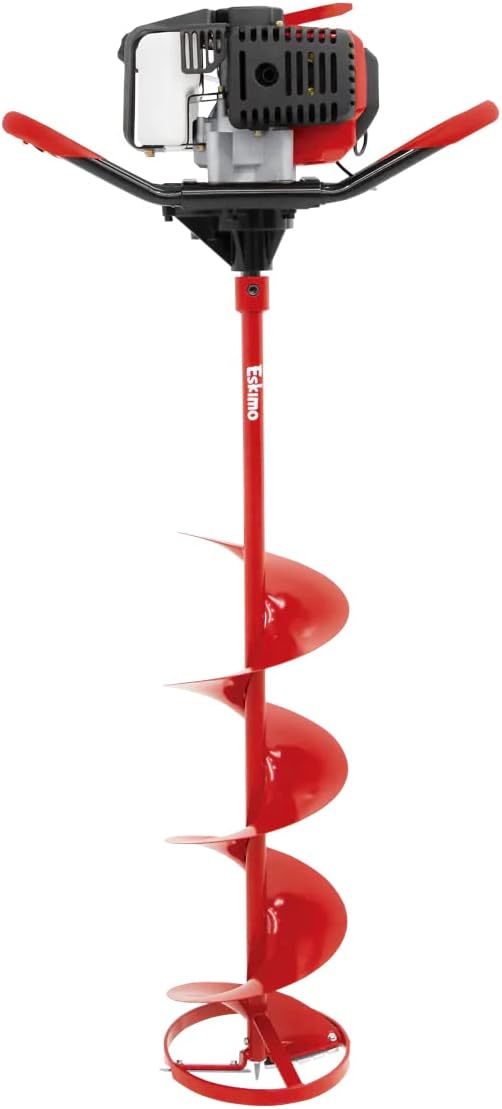
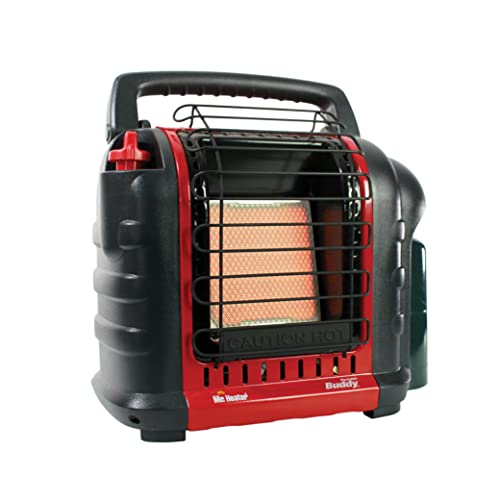
Here are some of my favorite items for ice fishing in Wisconsin. Just click on the pictures to check current pricing and availability!



Popular Fish Species for Ice Fishing
Below are some of the most popular fish you can expect to catch while ice fishing in Wisconsin.
1. Walleye
In Wisconsin, walleye are a favorite target for ice anglers, particularly in lakes like Lake Winnebago, the Wisconsin River, and the Chippewa Flowage.
These fish tend to prefer deeper waters, especially during the day, so focus your efforts in 20 to 30 feet of water, especially near drop-offs or submerged structures.
The best times to fish for walleye are early morning and late afternoon, as they are most active during low-light periods.
Live bait, such as fathead minnows, is highly effective, while jigging with spoons or blade baits can also attract their attention.
2. Panfish (Crappie, Bluegill, Perch)
Panfish, including crappie, bluegill, and perch, are abundant in Wisconsin and make for excellent targets, especially for beginners. Popular locations include smaller lakes, such as Lake Kegonsa and Lake Monona, where these fish gather in schools.
The key to success with panfish is to fish in shallow waters, typically between 5 to 15 feet deep, especially around structures like weeds or fallen trees.
Small jigs tipped with live bait like wax worms or plastic baits work wonders. Their willingness to bite makes them a great choice for novice anglers looking to hone their skills.
3. Northern Pike
For those seeking a more thrilling challenge, northern pike are larger, aggressive species that can be found throughout Wisconsin’s waters, particularly in lakes such as the Minocqua Chain and the Chippewa Flowage.
These fish are known for their sharp teeth and ferocity, making them a favorite among experienced ice anglers. The best tactics include setting up tip-ups with large live bait, like suckers, or using quick-strike rigs to increase your chances of a solid hook-up.
Northern pike are often found near weedy areas, drop-offs, or points, so look for these spots while drilling your holes.
4. Lake Trout
Ice fishing for lake trout can be both challenging and rewarding in Wisconsin, particularly in deeper, colder lakes like Lake Superior (my personal favorite spot) and some inland lakes.
Lake trout tend to inhabit depths of 20 to 100 feet, depending on the season and water temperature. Target them by jigging with heavy spoons or swimbaits, and consider using a flasher or sonar unit to locate schools.
Patience is key, as these fish can be less active than others, but the fight and taste of a freshly caught lake trout make it well worth the effort.
5. Whitefish
Whitefish thrive in the colder waters of Wisconsin, particularly in the Great Lakes and areas like Green Bay. These fish are often found in deeper waters, ranging from 30 to 100 feet, depending on the season.
Ice fishing for whitefish usually involves using small jigs tipped with wax worms or minnows and fishing just off the bottom. The best times to target whitefish are in the early morning or late afternoon, and they are often caught alongside other species like perch.
Because whitefish can be more challenging to catch than panfish, they provide a rewarding experience for anglers looking to diversify their ice fishing adventures.
| Fish Species | Prime Locations | Best Tactics | Recommended Bait | Tips |
|---|---|---|---|---|
| Walleye | Lake Winnebago, Wisconsin River, Chippewa Flowage | Fish in deeper waters (20-30 feet) near drop-offs | Live fathead minnows, jigging spoons | Focus on early morning and late afternoon. Check local regulations. |
| Panfish (Crappie, Bluegill, Perch) | Lake Kegonsa, Lake Monona | Fish in shallow waters (5-15 feet) around structure | Small jigs tipped with wax worms or spikes | Great for beginners; look for schools near vegetation. |
| Northern Pike | Minocqua Chain, Chippewa Flowage | Use tip-ups with large live bait or quick-strike rigs | Large live suckers | Target weedy areas, drop-offs, and points. |
| Lake Trout | Lake Superior, some inland lakes | Jigging with heavy spoons or swimbaits in deep waters (20-100 feet) | Heavy spoons, swimbaits | Use a flasher or sonar to locate schools. |
| Whitefish | Great Lakes, Green Bay | Fish in deeper waters (30-100 feet) using small jigs | Small jigs tipped with wax worms or minnows | Best in early morning or late afternoon. |
Ice Fishing Techniques
There are many different techniques when it comes to ice fishing. However, the most popular techniques you will see as a beginner include Jigging, Tip-ups, and the use of Sonar/Fish Finders.
Jigging
Jigging is a popular ice fishing technique that involves actively moving your bait or lure up and down in the water. To jig, you’ll use a fishing rod equipped with a light reel and a small hook or lure, often tipped with live bait like wax worms or small minnows.
The goal is to mimic the natural movement of prey to attract fish. This technique is particularly effective for species like crappie and bluegill, which are known to respond to the enticing action.
As you jig, keep your eyes on the rod tip for any signs of a bite—when a fish takes your bait, you’ll feel a tug or see the tip bounce. It’s a hands-on approach that makes ice fishing engaging and exciting for beginners.
Tip-Ups

Tip-ups are another excellent option for ice fishing, especially for those new to the sport. A tip-up consists of a small flag attached to a fishing line that is set up over a hole in the ice. When a fish takes the bait, the flag pops up, alerting you that it’s time to check your line.
To set up a tip-up, you’ll place a baited hook at a specific depth, usually just above the bottom, and secure the line in place with the tip-up mechanism.
This allows you to fish multiple holes at once without needing to hold a rod, giving you the chance to relax while waiting for a fish to bite.
Tip-ups are particularly effective for catching larger species like northern pike and walleye, making them a great choice for beginners looking to enjoy a successful day on the ice.
Sonar and Fish Finders
Sonar and fish finders are modern tools that can significantly enhance your ice fishing experience, especially if you’re just starting out. These devices use sound waves to detect underwater objects, including fish, and display this information on a screen, providing a clear view of what’s beneath the ice.
For beginners, using a fish finder can take some of the guesswork out of fishing by showing you water depth, underwater structures, and even the presence of fish in real-time.
Many fish finders also come with features like GPS, allowing you to mark productive spots to return to later.
While there’s a bit of a learning curve to understand how to interpret the data, these devices can help you make informed decisions about where to set your lines or jig, increasing your chances of catching fish and making your ice fishing outings more successful and enjoyable.
Ice Fishing Safety Tips
I know I’ve already said this… but safety should be of utmost importance while ice fishing in Wisconsin. Here are some quick tips to remember before heading out on the ice.
- Check Ice Thickness: Ensure the ice is at least 4 inches thick for safe foot traffic, and at least 5-7 inches for snowmobiles or ATVs.
- Look for Clear Ice: Clear blue ice is stronger than cloudy or white ice. Avoid areas with slush or wet spots.
- Stay Informed: Check local reports for ice conditions and any weather advisories before heading out.
- Wear a Life Jacket: Consider wearing a flotation device, especially when venturing onto thinner ice or if you’re alone.
- Use Ice Picks: Carry a pair of ice picks around your neck for quick access. They can help you pull yourself out if you fall through.
- Carry Safety Gear: Bring safety gear, such as a rope, a first aid kit, and a whistle for emergency situations.
- Mark Your Holes: Use markers or flags to indicate holes, preventing others from accidentally falling in.
- Use Caution Around Cracks: Be wary of cracks and pressure ridges in the ice, as they can weaken the structure beneath you.
Ice Fishing Events and Tournaments in Wisconsin

Now that you have a good rundown about the basics of Ice Fishing in Wisconsin…it’s time to test your luck and skills in a competition. Here are some of the most popular ice-fishing events in Wisconsin!
- Battle on Bago (February 14th and 15th 2025)– Largest ice fishing tournament in the U.S. with over 375,000 dollars in prizes.
- Sturgeon Spearing Season – Unique event on Lake Winnebago that lasts for 16 days.
- Post Lake Ice Fishing Jamboree (February 15, 2025) – A fun one-day tournament in Elcho, WI
See more Wisconsin Fishing Events in 2025
Local Guides and Services in Wisconsin
If you aren’t quite confident enough to test out ice fishing alone, there are many guided tours/trips you can join in Wisconsin. Here are some noteworthy options!
- Spencer’s Adventures LLC: Located in Northern Wisconsin (Minocqua, Eagle River, Phelps, Rhinelander, and Lac du Flambeau), Spencer’s Adventures specializes in targeting a variety of fish, including bluegill, crappie, perch, walleye, and northern pike. Their packages include all equipment and typically cover 2-3 lakes per day, with options for half-day ($350) or full-day trips ($500)
- First Choice Charters: Based in Door County, First Choice Charters offers guided ice fishing on Lake Michigan and the Bay of Green Bay. They provide heated ice shacks and tackle, and their trips cater to beginners and experienced fishers alike, with species such as brown trout, perch, and whitefish available.
- Madison Fishing Guides: For those fishing in the southern part of the state, Madison Fishing Guides offer ice fishing excursions on local lakes. Their trips focus on species like bluegill and crappie, catering to all skill levels.
Click here to see all of the best-guided fishing trips in Wisconsin!
Ice Fishing in Wisconsin Recap
I hope you found this massive post helpful in getting started with ice fishing in Wisconsin. I know if you are anything like me, you will immediately become hooked (and probably want to explore the ice fishing scene in Minnesota and the resorts there as well).
As always, feel free to reach out or leave a comment with any questions. We are here to help other fellow fishermen!